Some trails exist because of beauty. Some because of adventure. The Vrba & Wetzler trail exists because two men decided the world had to know — and that the only way to tell it was to walk.
7 April 1944. The eve of Passover.
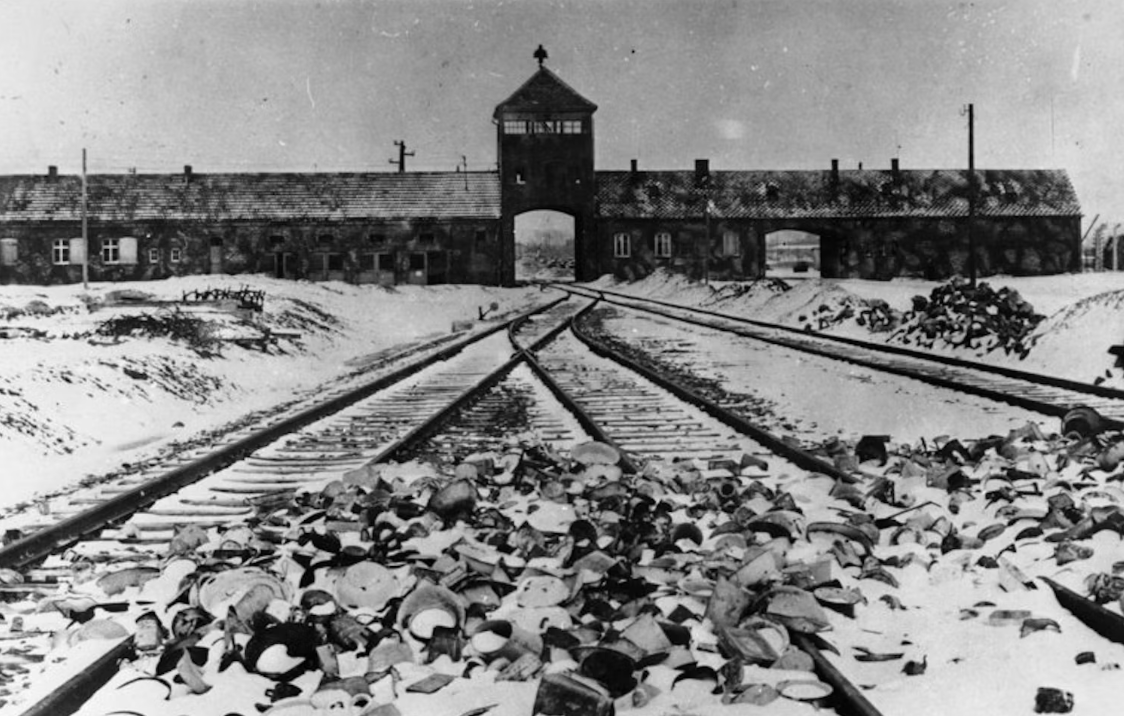
Rudolf Vrba and Alfred Wetzler crawled into a cavity hollowed out inside a woodpile near the perimeter of Auschwitz-Birkenau. Fellow prisoners covered the hole with boards and sprinkled Russian tobacco soaked in petrol around it to throw off the SS dogs.
They lay motionless for three days.
The camp was on full lockdown. Search parties combed the area. On 10 April, they crawled out into the night and began walking south.
Why they escaped
Vrba and Wetzler had spent nearly two years inside Auschwitz-Birkenau as prisoner registrars — a role that gave them exact knowledge of arrival transports, gas chamber layouts, daily killing capacity and SS officer names. By early 1944 they knew what was coming: nearly 800,000 Hungarian Jews were next. The deportations were planned for that spring.
They had one goal: reach the free world and deliver proof — not rumour, not testimony, but precise, documented, irrefutable evidence — before it was too late.
131 kilometres through the Beskydy
Travelling only at night, navigating by the Pole Star and a single page torn from a Polish atlas, they crossed the Silesian Beskydy — dense forested hills straddling the Polish–Slovak border. By day they burrowed under bracken or lay in drainage ditches. Wet, starving, hunted.
navigating only by the Pole Star — travelling only at night
Near the Slovak border, a Slovak farmer found them and led them to the local underground network. From there, a chain of ordinary people — each one knowing the penalty for helping a Jew was death — passed them south through safe houses.
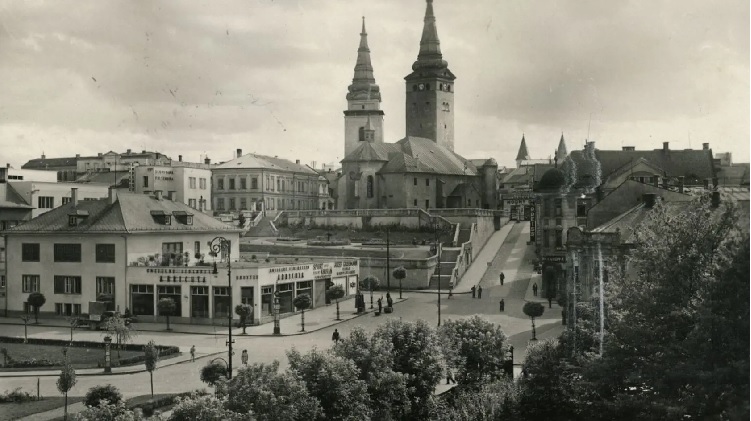
On 21 April 1944, fourteen days after crawling out of the woodpile, they arrived in Žilina.
The Report
In a safe house on Moyzesova Street, working with Slovak Jewish Council lawyer Dr. Oskar Neumann, Vrba and Wetzler dictated for two days without stopping. The result was 32 pages: exact gas chamber blueprints, daily killing capacity, prisoner registration numbers, SS officer names.
It was the first precise, eyewitness account of the Holocaust to reach the outside world.
Within weeks it was on the desks of Allied governments, the Vatican and the International Red Cross. Under the weight of international pressure, Hungarian Regent Horthy halted the deportations of Hungarian Jews.
because two men chose to walk and bear witness
“I was a deliberate witness. I escaped so that I could tell the world.”— Rudolf Vrba
Why this trail is in TrailQuest
Trails carry meaning because people carried meaning through them. The Vrba & Wetzler route — 131.84 km from Auschwitz-Birkenau to Žilina — is not a trail of scenery or athleticism. It is a trail of testimony. Every kilometre walked is a kilometre earned in silence by two men who understood that bearing witness is an act of resistance.
Today, 8 May 2026, is the 81st anniversary of Victory in Europe Day. We think that is worth walking.
Walk the Vrba & Wetzler trail
131.84 km from Auschwitz-Birkenau to Žilina — one step at a time, from anywhere in the world. Free in TrailQuest for Android.
▶ Get TrailQuest on Android